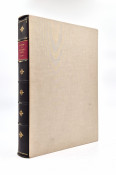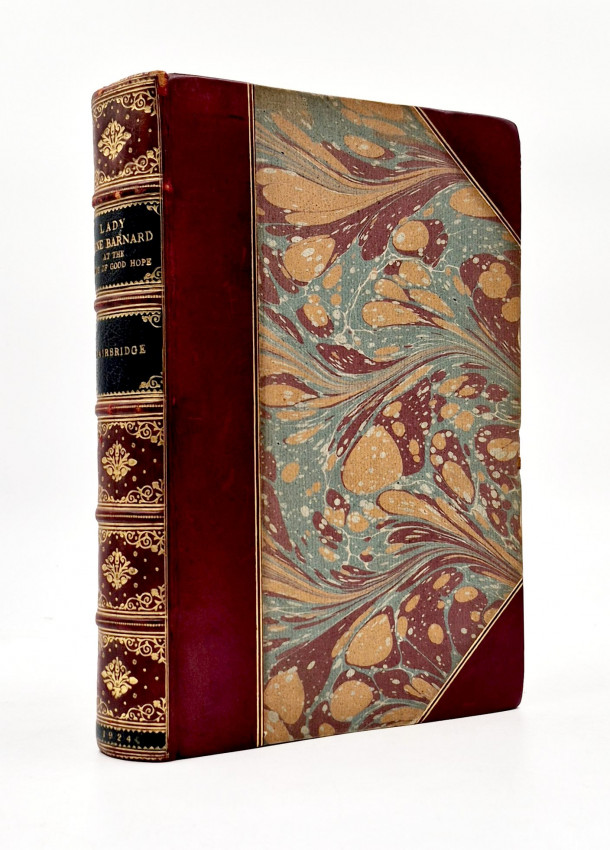
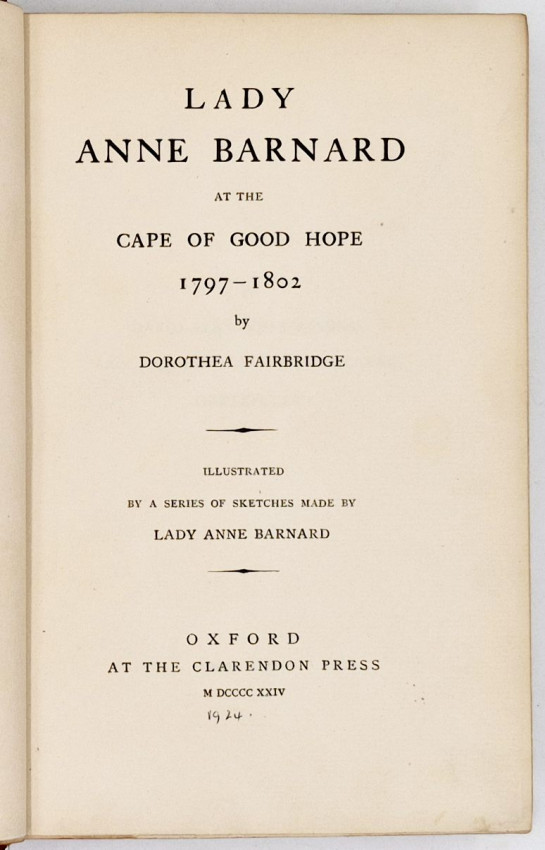
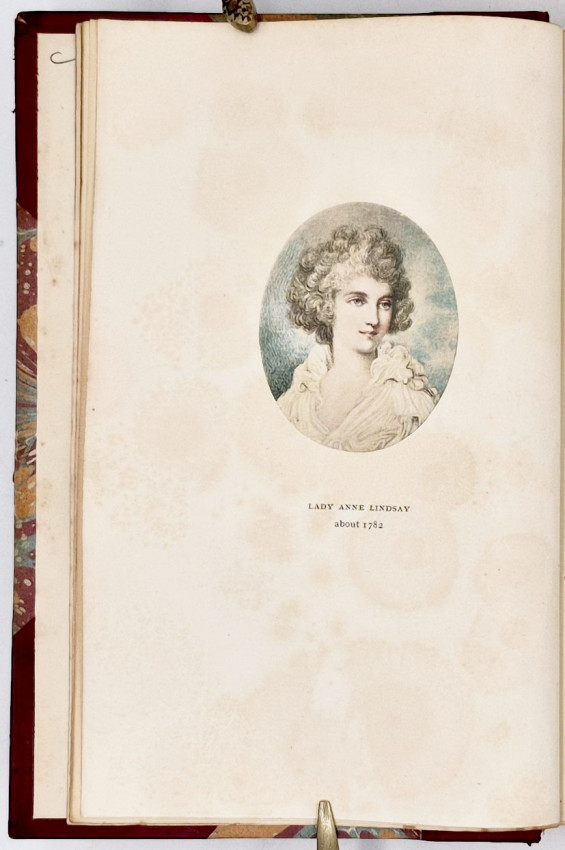
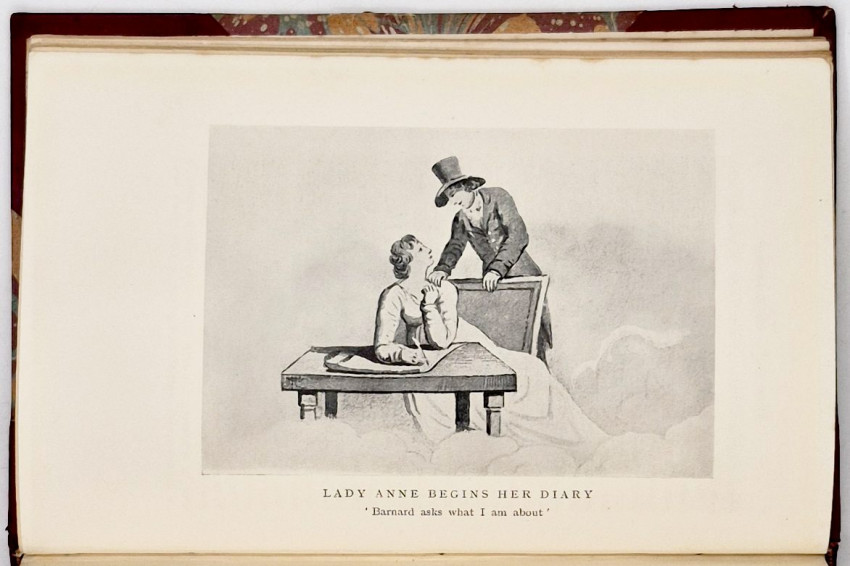
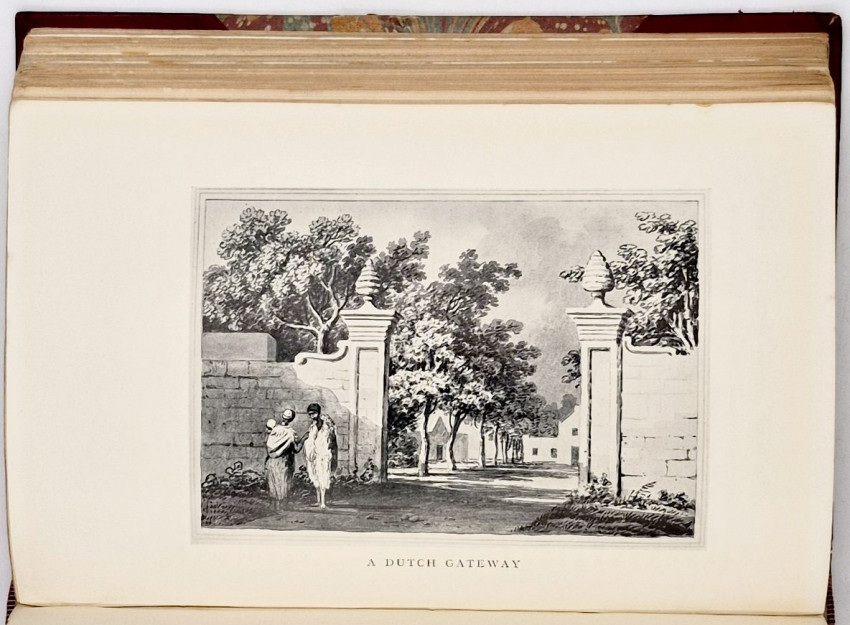
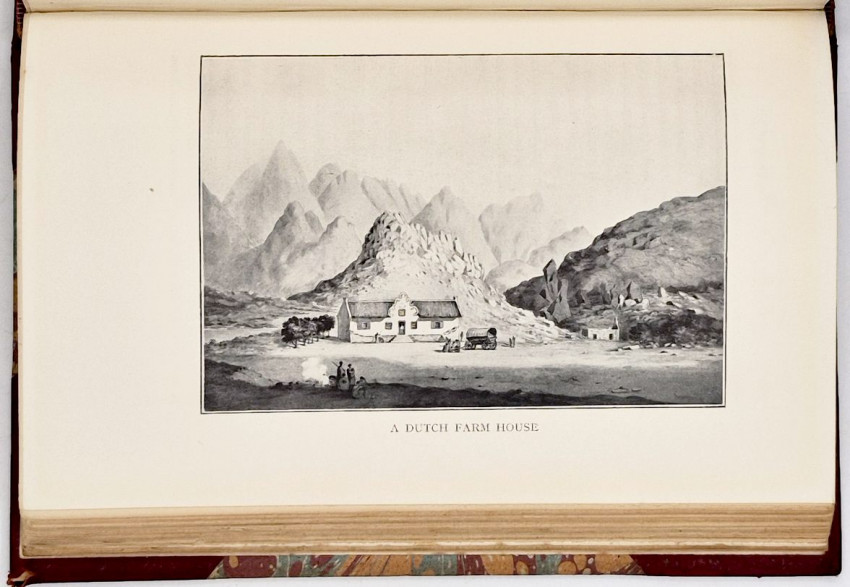
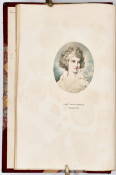
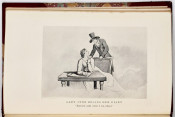
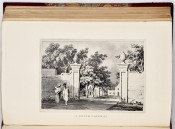
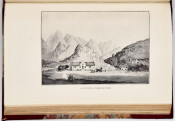
First edition: 356 pages, colour frontispiece portrait, 59 illustrations - 1 folding, half brown calf with matching marbled paper sides, black title labels on the spine and gilt decoration in panels, top edge gilt, others uncut, a very good copy.
Barnard [née Lindsay], Lady Anne (1750–1825) by A. B. Grosart, revised by Stanley Trapido (Oxford Dictionary of National Biography - https://www.oxforddnb.com/display/10.1093/ref:odnb/9780198614128.001.0001/odnb-9780198614128-e-1447)
'Barnard [née Lindsay], Lady Anne (1750–1825), writer, was born at Balcarres, Fife, on 8 December 1750, the eldest of eleven children born to James Lindsay, fifth earl of Balcarres (1691–1768), and Anne, daughter of Sir Robert Dalrymple, of Castleton.
At the Cape, 'Anne Barnard believed that her role was to 'bring the Nations together on terms of good will' (Cape Journals, 178). The British administration had the support of only a part of the Cape's notables. Anne Barnard entered into the spirit of her task with enthusiasm but not without cynicism. 'little parade,' she wrote to Wellesley, 'suits the Dutch and procures respect from their stupid heads'. But she ensured that the governor's household welcomed not only the Cape's élite but also the hostile up-country settlers. Her journals are an important, readable record of colonial social life and Cape Dutch political perspectives. They also contain insights into the behaviour of the British merchant community, garrison, and administration.
'Anne Barnard had no illusions about settlers' treatment of Khoi-Khoi (Hottentot). She saw that landowners had reduced them to the status of a landless labouring population vulnerable to the deceptions and repression of the Afrikaner farmers. In supporting arguments for a permanent British occupation of the Cape she claimed that British rule would improve the treatment of non-European peoples by introducing them to British ‘civilization’ and ‘religion’. While herself benefiting from the existence of slavery, she was not blind to the fact that some incoming British merchants took part in, or gave assistance to, the slave trade, and she wrote to Dundas to report officials and merchants who did so. She thought treatment of slaves less brutal in the Cape than in the Caribbean.
'By 1801 Britain had agreed to restore the Cape to the Netherlands, and the Barnards returned to England, where Dundas's fortunes had declined calamitously, but Anne Barnard remained loyal to her old friend until his death, in 1811. With Windham in office she turned to him for patronage, reminding him of his obligations to her. Windham's patronage saw Andrew Barnard returned to the Cape in 1807, when British control was restored. In that same year he died, while he and Anne were apart. She had grown deeply attached to Barnard as time passed, noting that she had not had 'one moment of regret' and only 'heart felt satisfaction' in her decision to marry him. An even tenor of 'peace, gentleness and constant good humour, mutual consideration and tender affection,' she wrote, 'has subsisted between us' (Cape Journals, 232, 234).'
- Overall Condition: Very good
- Size: 8vo (230 x150mm)