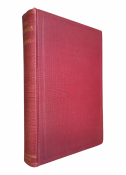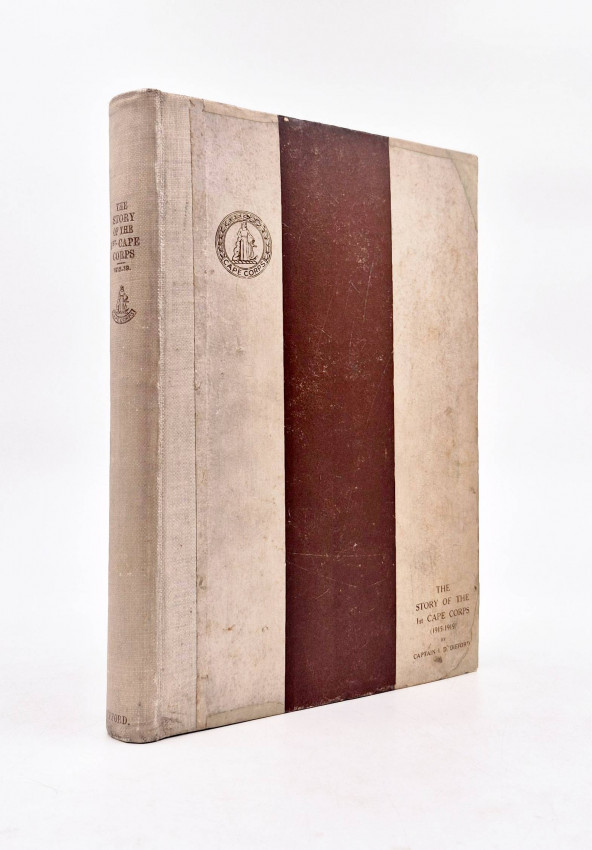
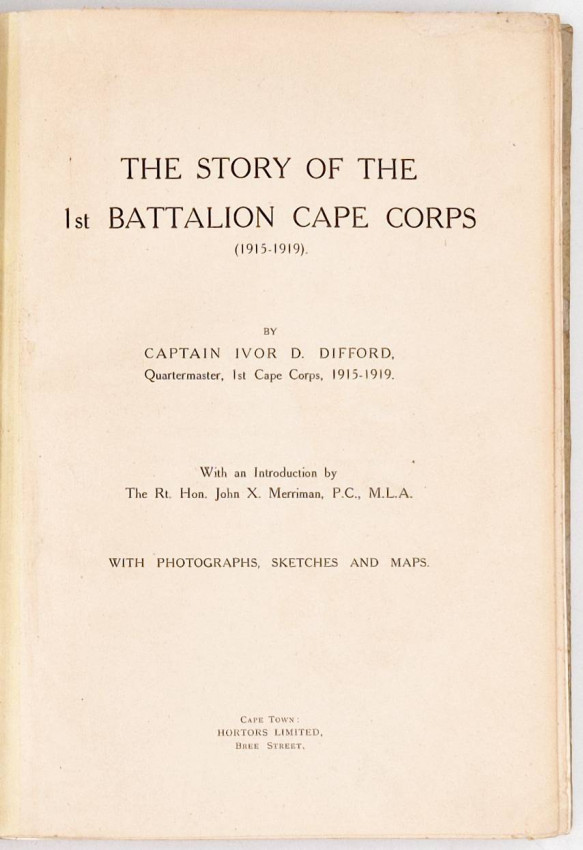
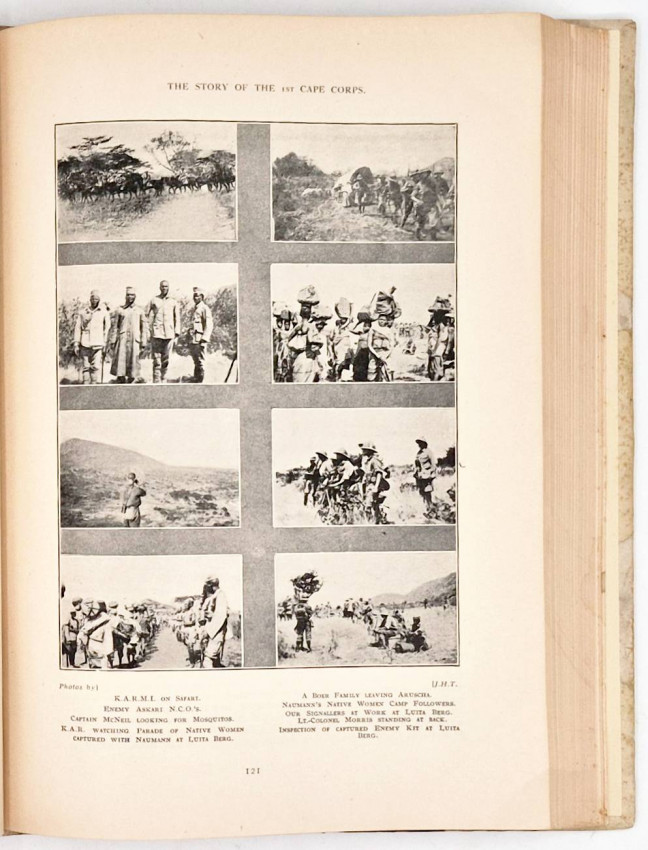
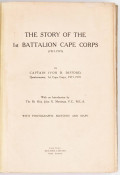
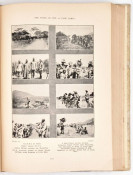
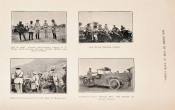
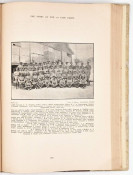
First Edition: 448 pages, many illustrations, white cloth back, brown and white paper covered boards neatly restored, presentation inscription from the author on front free endpaper.
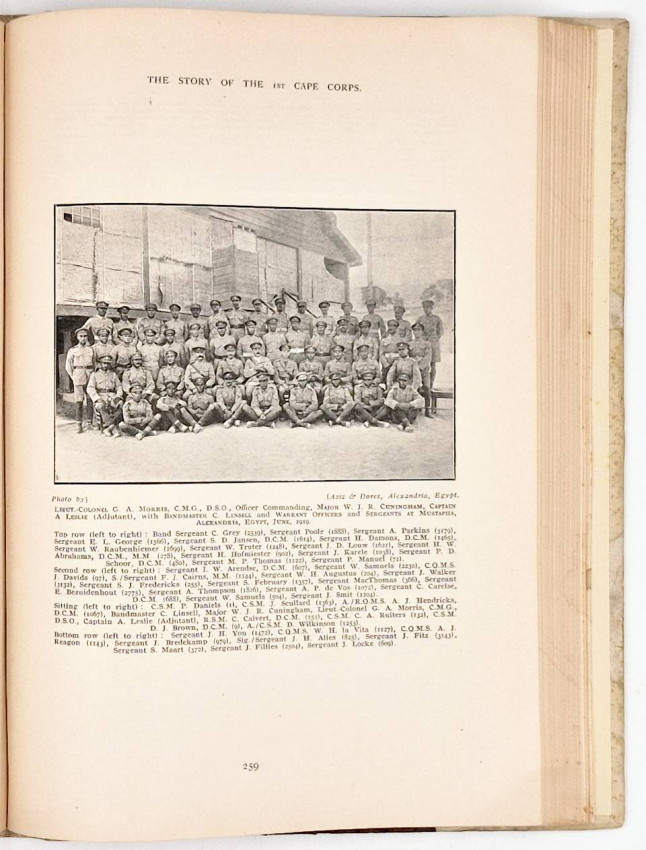
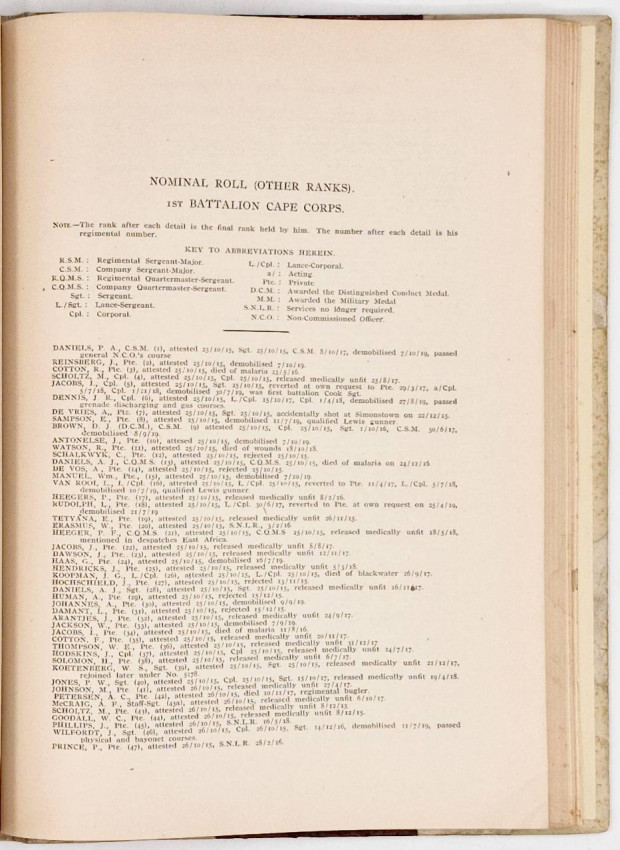
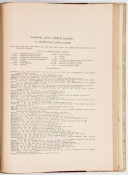
Includes a nominal roll of Officers. An extensive nominal roll of other ranks, pages 349-424. 1st Cape Corps roll of honour 1915-1919.
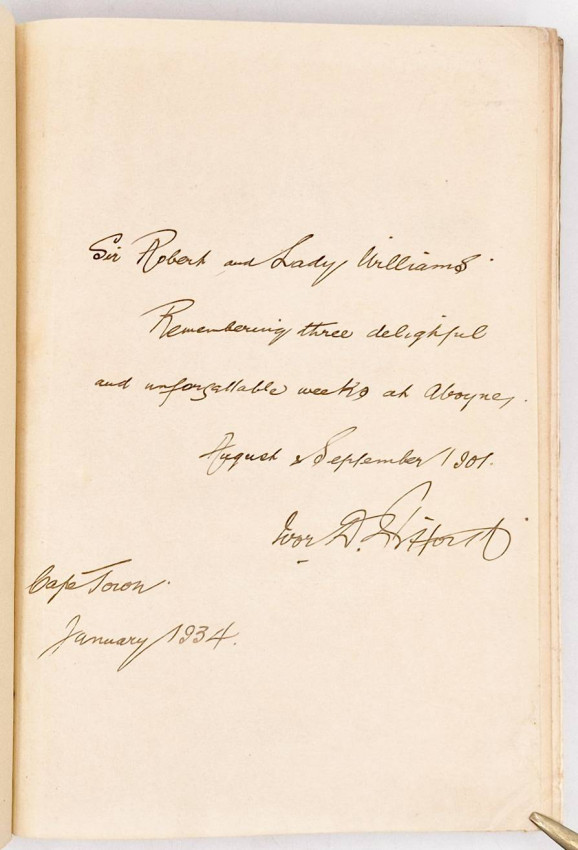
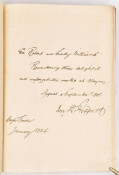
The presentation inscription on the front free endpaper reads: 'To Sir Robert and Lady Williams. Remembering three delightful and unforgettable weeks at Aboyne. August & September 1901. Cape Town, January 1934. Ivor D. Gifford.
South African History Online (https://sahistory.org.za/article/cape-coloured-corps-and-first-world-war)
'The Cape 'Coloured' Corps and the First World War. In September 1915, the Union Government offered to raise an infantry battalion of Cape Coloured men for service in the First World War. A strict selection process was decided upon. Only men ‘of exceptionally good character, between the age of 20 and 30, minimum height 5ft. 3in., chest measurement 33 ½ in., unmarried and without dependants would be accepted for service.(Difford: 20). The Cape Corps War Recruiting Committee was formed with its headquarters in Cape Town. Notices were placed in the press announcing that recruitment was to take place. On 25 October 1915, the first recruitment station opened at the City Hall in Cape Town. The response was so huge that the assistance of the police was required to control the crowd. Only 22 recruits were enlisted on the first day as the vast majority did not meet the stringent conditions for enlistment. They were then sent to Simonstown for training and were joined by fellow recruits from Stellenbosch, Worcester, Port Elizabeth, Kimberley and various mission stations including that of Saaron and Mamre.
'The number of men enlisted from rural areas and mission stations far outnumbered that of the city of Cape Town, as many of the would be recruits from the city did not meet the stringent physical requirements. Also many men who came to enlist at the City Hall were dissatisfied with the pay offered.'
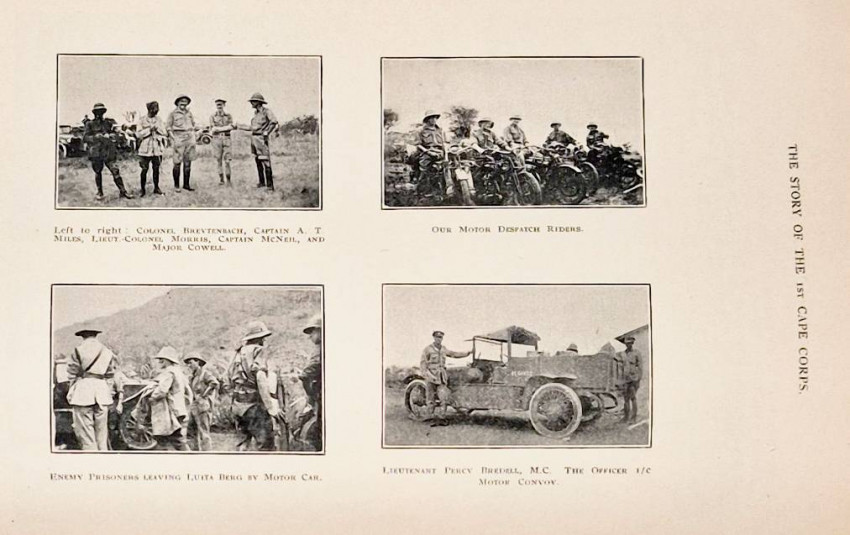
The Corps served with distinction in German East Africa, 1916–1917 and Palestine, 1918 including the Battle of Square Hill where the Battalion attacked Square Hill at 18:45 on 18 September with the men acquitting themselves admirably after an intense artillery bombardment. Regulations at the time stated that Coloured soldiers could not fight against whites, and the Turks were deemed "non-white." In the battle of Square Hill, the Turkish troops had taken up a post on the hill, making it impossible for British soldiers to pass. The racial logic of the Union's defence legislation thus perversely enabled the Cape Corps' finest hour. They achieved their objective early on 19 September with the loss of one dead and one wounded. During the attack, 180 Turkish soldiers and one gun were captured. After the offensive against the Ottoman Turks, the 1st Bn Cape Corps was withdrawn to Alexandria where it remained until returning to South Africa in September 1919.'
- Overall Condition: Very good
- Size: Small 4to (255 x 190 mm)