
Sheikh Abu Bakr Effendi (c. 1814 – 29 June 1880), also spelt Ebu Bekir Efendi, was an Ottoman qadi sent in 1862 by Sultan Abdulaziz at the request of Queen Victoria to the Cape Colony, in order to teach and assist the Muslim community of the Cape Malays. He is known for having made several major contributions to Islam in South Africa, including the translation of his 1877 work, Bayân al-Dîn, into the Afrikaans language, then in a very early stage of development. He is credited with introducing the fez as headwear for male Muslims in the Cape, and his presence had a significant impact on the expansion and consolidation of Islam in the Cape Colony. (https://en.wikipedia.org/wiki/Abu_Bakr_Effendi)
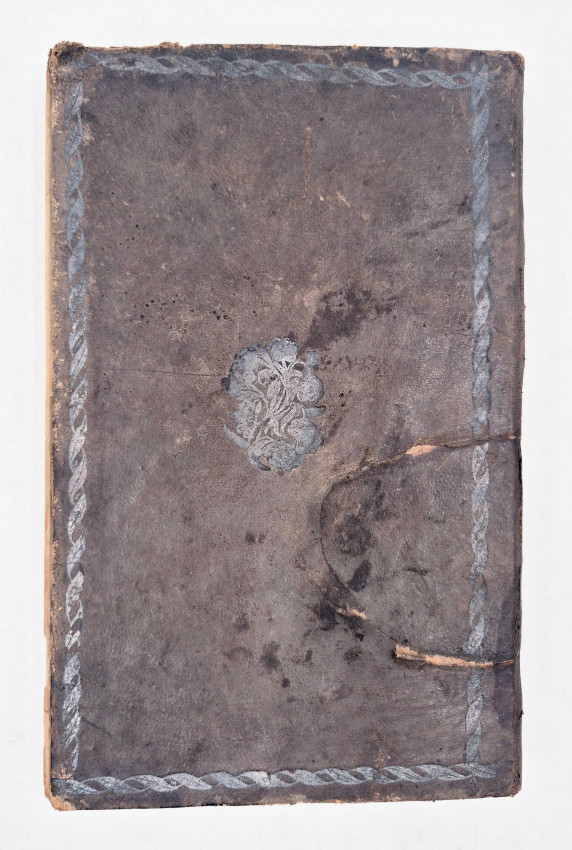
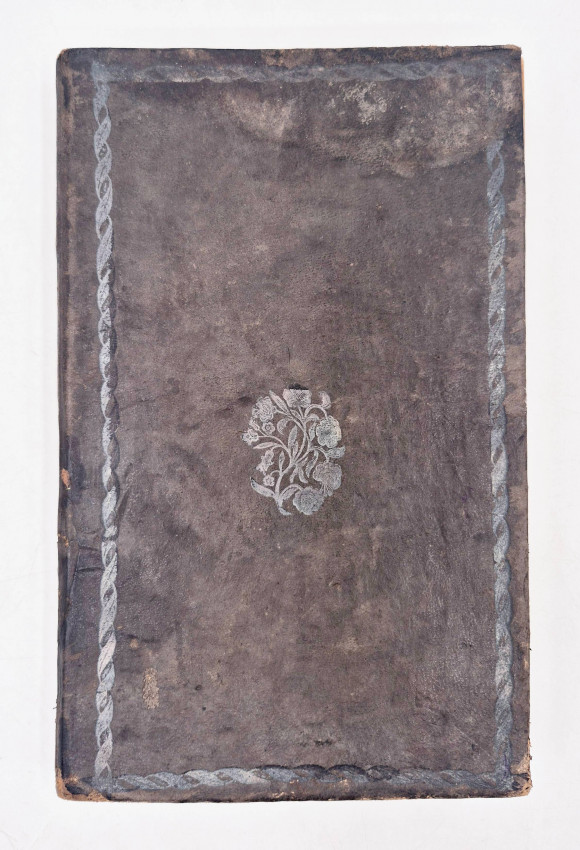
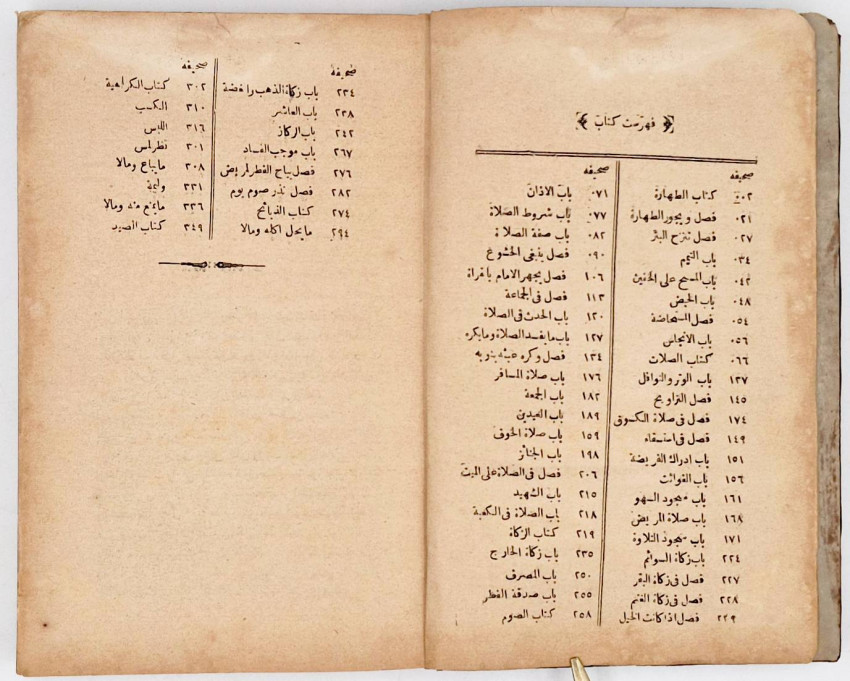
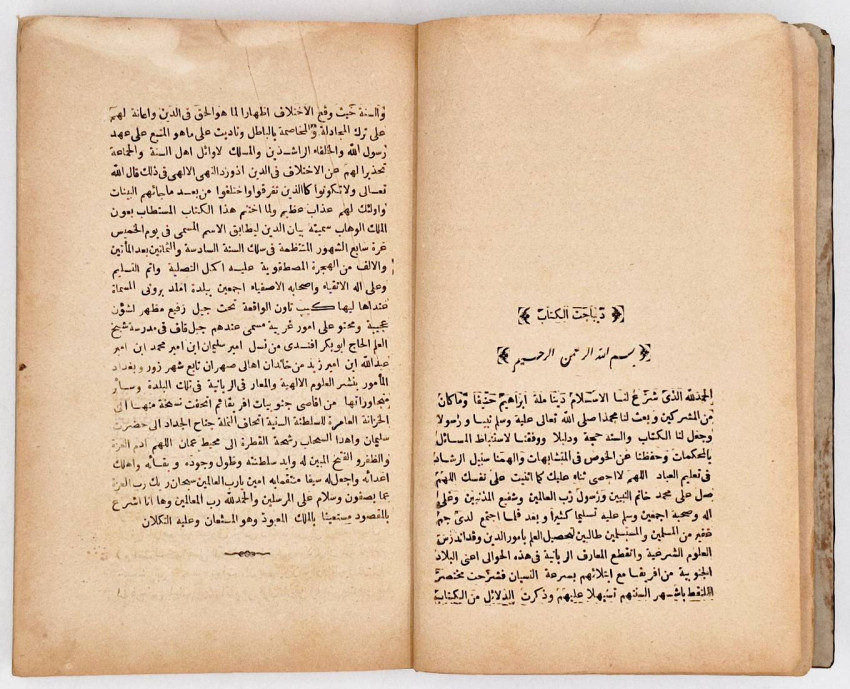
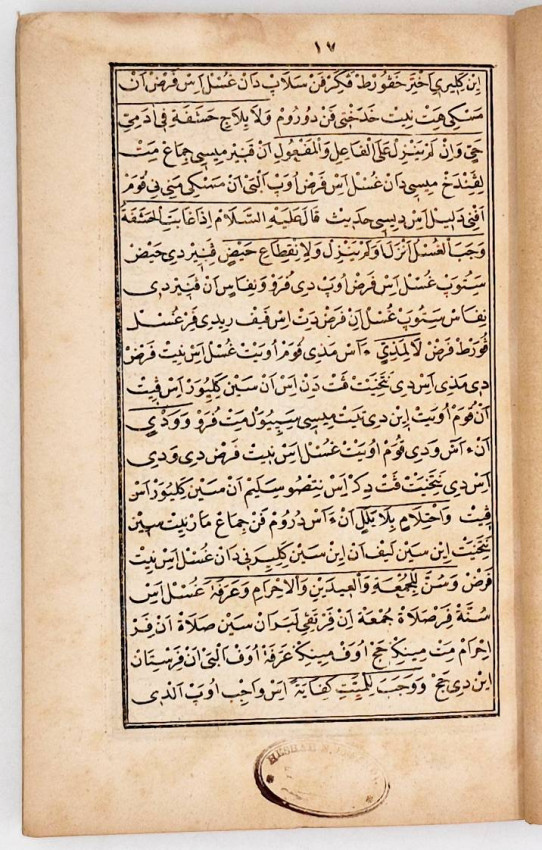
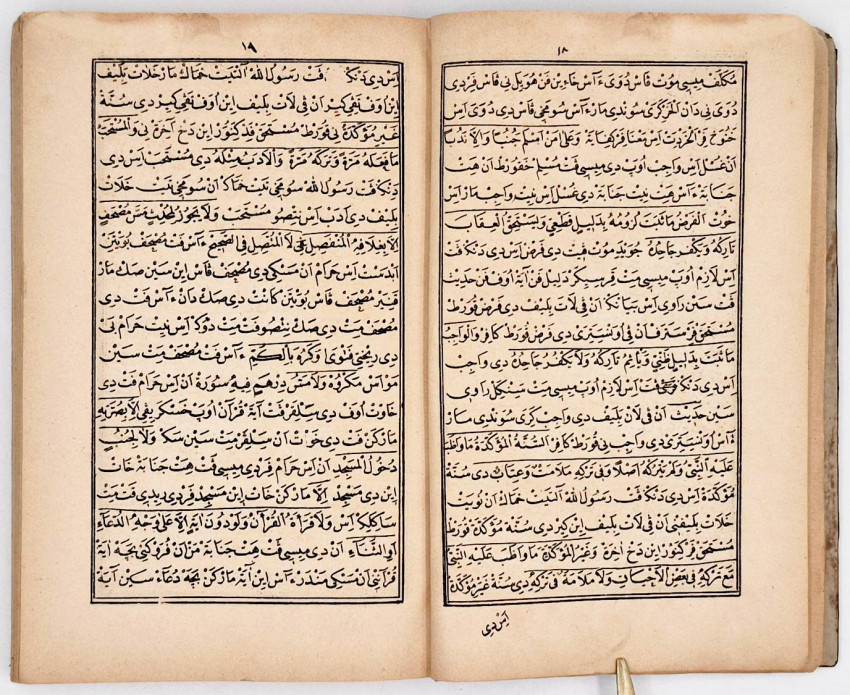
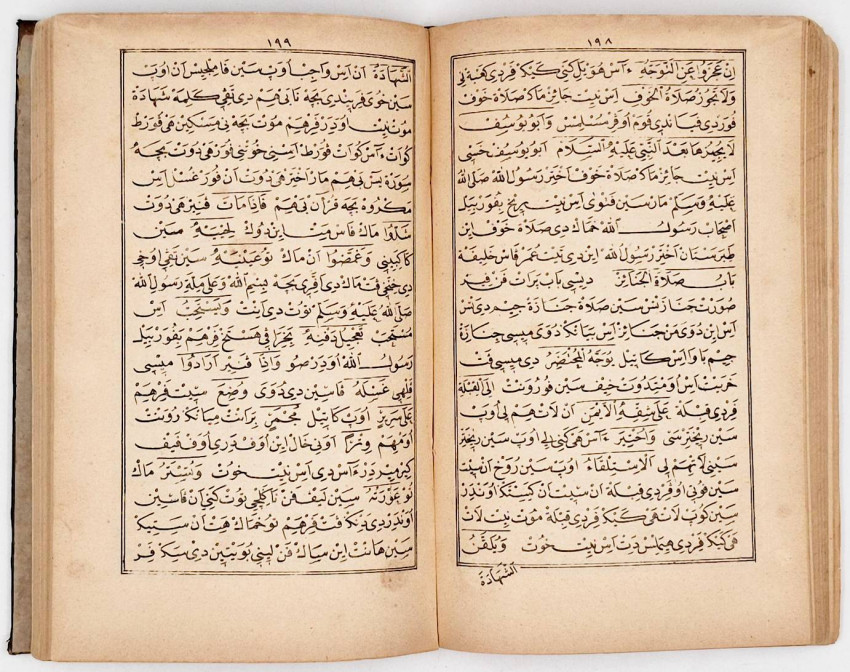
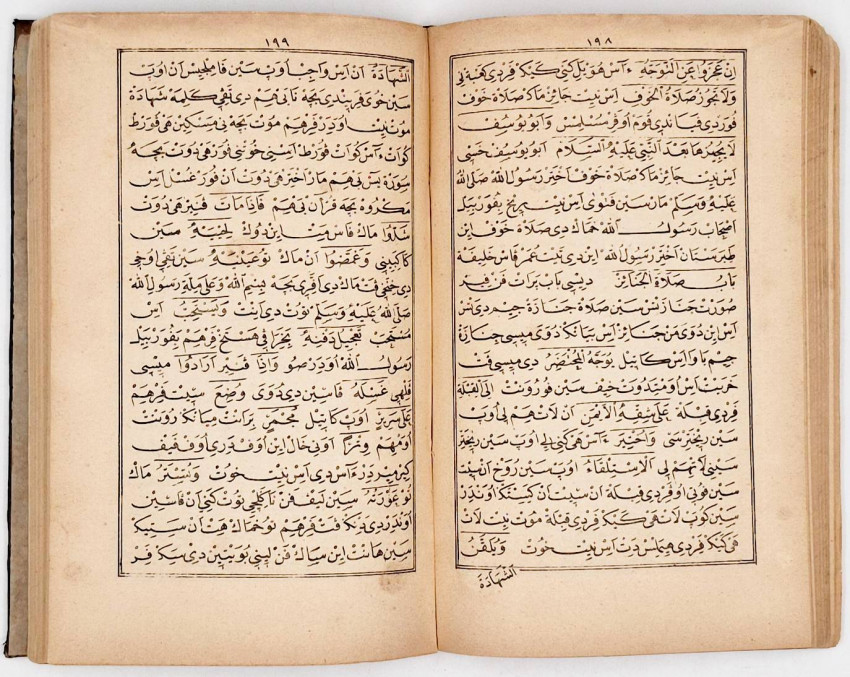
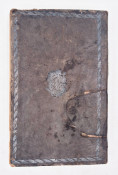
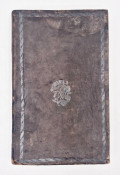
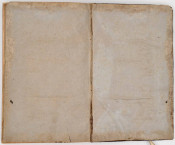
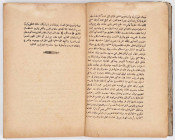
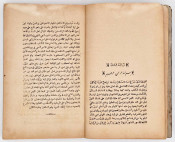
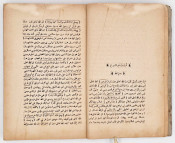
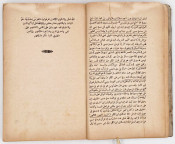
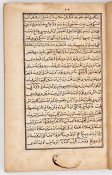
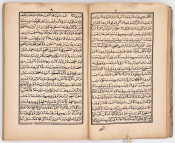
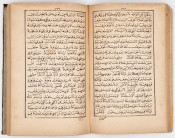
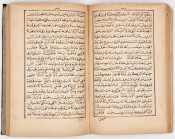
BAYAN UD-DIN: xii, 2-354 pages, 8vo (216 x 138 mm), as with Arabic text the book reads from right to left. In the original binding – simple full brown leather (thought to be camel leather), with a stamp on the upper and lower covers with a decorated border, no title page as issued, stamp on the first page before the text - Resham N. Effendi (Hesham Neamatollah Effendi), the contents is slightly browned but overall a very good copy free of foxing.
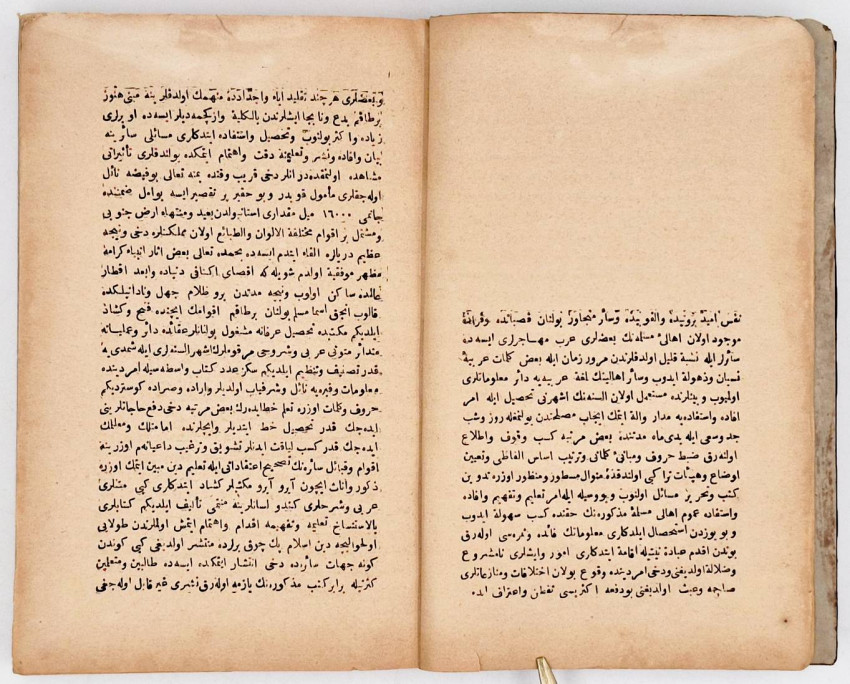
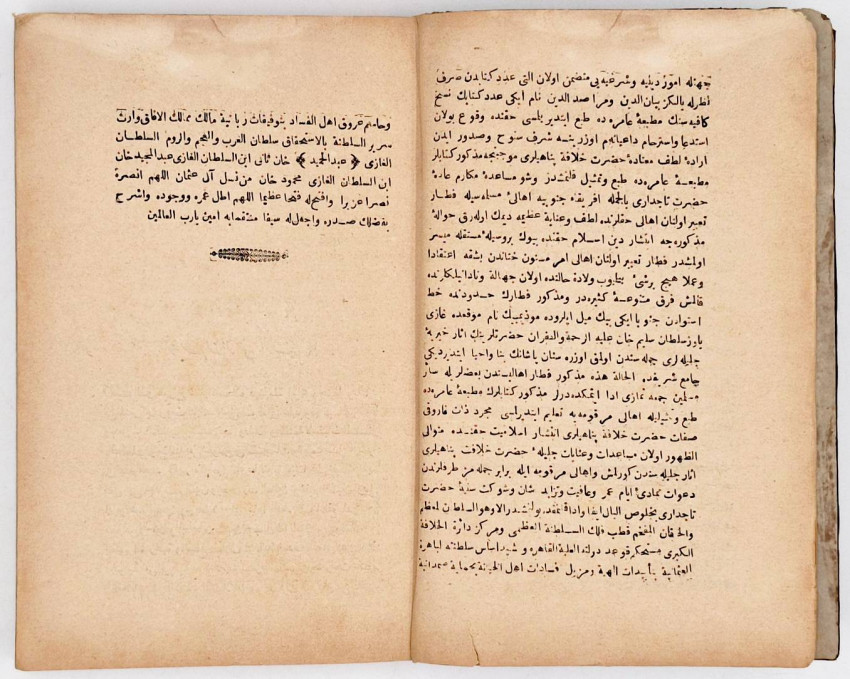
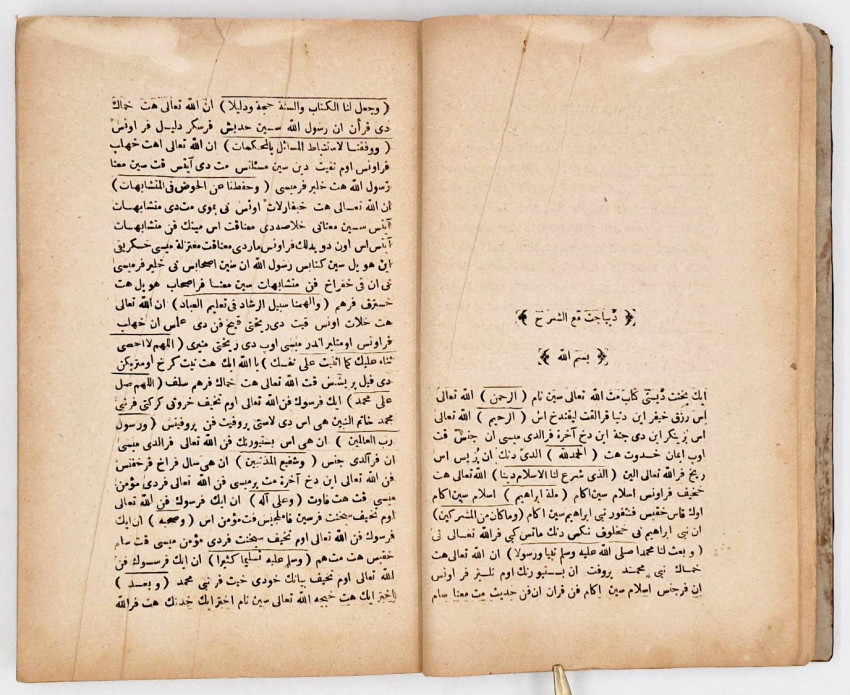
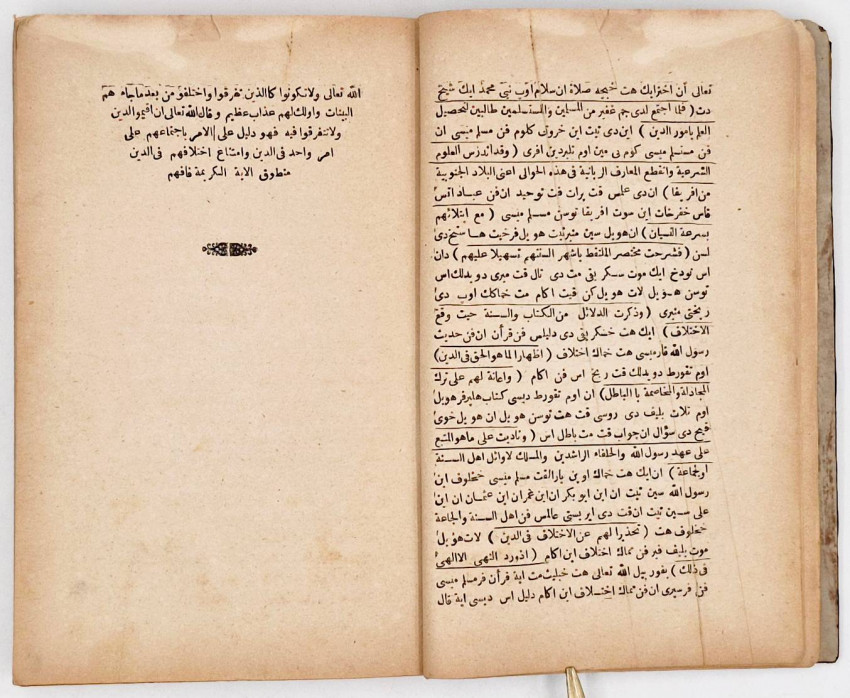
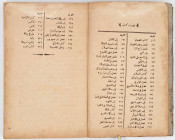
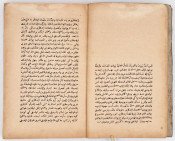
The title and imprint are mentioned in the Ottoman Turkish introduction. The book contains three introductions, one in Turkish, one in Arabic and one in Arabic and Afrikaans. Text is in Arabic script. Tenets of Muslim law are given in Arabic language, followed by Afrikaans translation and Afrikaans commentary (written in Arabic script). The work was prepared to be used as a handbook in teaching the Malays at the Cape. Because Afrikaans was not yet a recognized written literary language at the time, he utilized the Arabic alphabet to phonetically spell out Afrikaans words. This hybrid system is known as Arabic-Afrikaans (or Ajami). His primary text, Bayan ud-Din was completed in 1869 and printed in Istanbul in 1877. It is recognized by linguists as one of the earliest substantial publications written in Afrikaans pre-dating standard Roman-scripted Afrikaans.
Achmat Davids is his paper published in 1991 in the South African Journal of Linguistics, titled, Abubakr Effendi: His creation of the Afrikaans letter 'e' in Arabic script, writes,
'What appears not to be generally known is that Abubakr Effendi, with his writing of the Bayanuddin, accelerated a very fertile existing process of innovative orthographic engineering (at the Cape). This process was already evident in the literary tradition of Arabic-Afrikaans prior to his arrival....its manipulation by Abubakr Effendi to create Arabic lettering symbols to indicate the precise pronunciation of the Roman letter 'e', as it appears in Afrikaans words in Arabic script or the syllables of such words....(shows) the genius of Abubakr Effendi....this book was probably his greatest contribution to the cultural and linguistic history of his adopted country.'
Gençoğlu (Halim) Abu Bakr Effendi, A report on the activities and challenges of an Ottoman Muslim theologian in the Cape of Good Hope. (Thesis. University of Cape Town, October 2013), ‘Beyan Ud- Din is the most interesting book that was written in Afrikaans with Arabic script by Effendi. The book contains unique knowledge on ritualistic practices related to prayer which is more than only theoretical and doctrinal as the writing explains the basic religious duties of Islam. The common misapprehension continues to exist amongst scholars around the identification of these books. In 1876, Effendi went to Istanbul via Mecca with his two sons. While Effendi was in Istanbul he met with the new Sultan and presented him his books Merasid ud -Din and Beyan al- Din. Sultan Abdul Hamid II showed his interest in the considerable works of Effendi and issued a decree to publish the books. However, because of the economic circumstances of the State, the publishing house of the Ottoman State decided to publish the books as one volume. Hereby 1500 copies of Merasid ud- Din and Beyan al- Din were published as a single volume in the government printing office in Istanbul in 1877.’
In 1960, Mia Brandel-Syrier translated the text into English under the title “The Religious Duties of Islam as Taught and Explained by Abu Bakr Effendi”.
Provenance: Sheikh Abu Bakr Effendi by descent.
An overseas buyer may be required to obtain a Export Licence.
- Size: 8vo (220 x 137 mm)