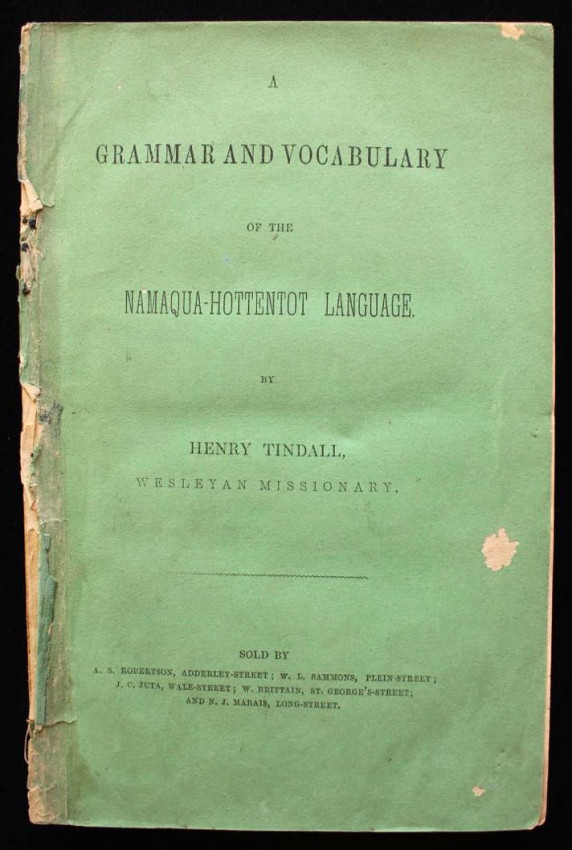
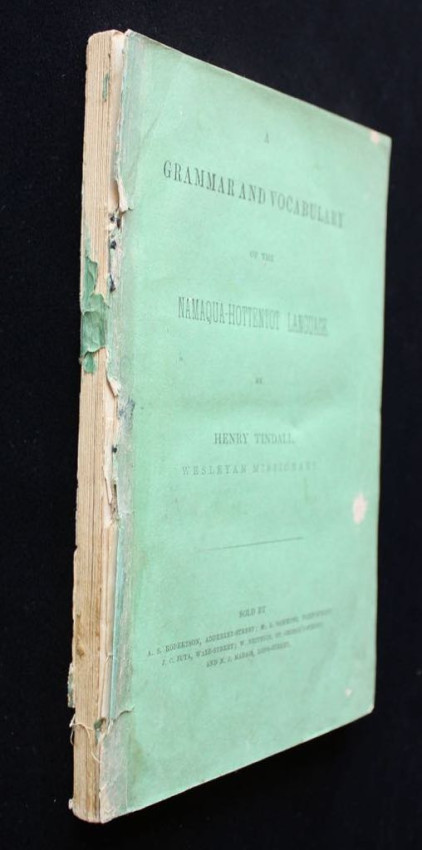
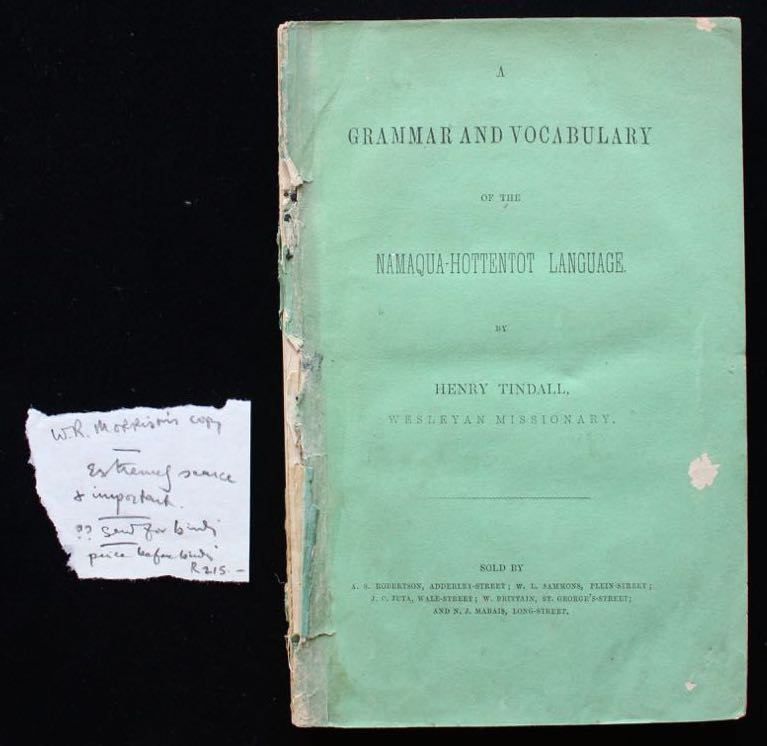
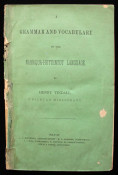
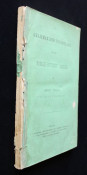
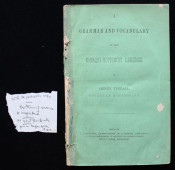
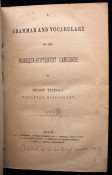
Publisher's original green printed wraps.
124pp (including errata page)
Front and rear panels of the green wraps present although the spine is chipped. Contents clean.
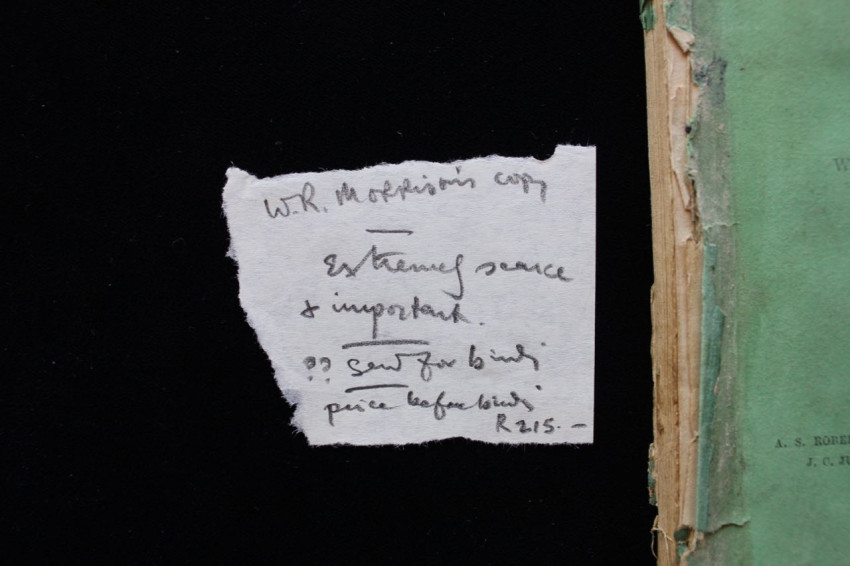
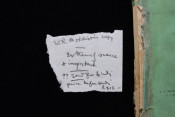
A very old pencil note written on a small loosely inserted piece of paper contains the following valuable information:
"W. R. Morrison's copy / extremely scarce + important / ?? sew for binding / price before binding R215"
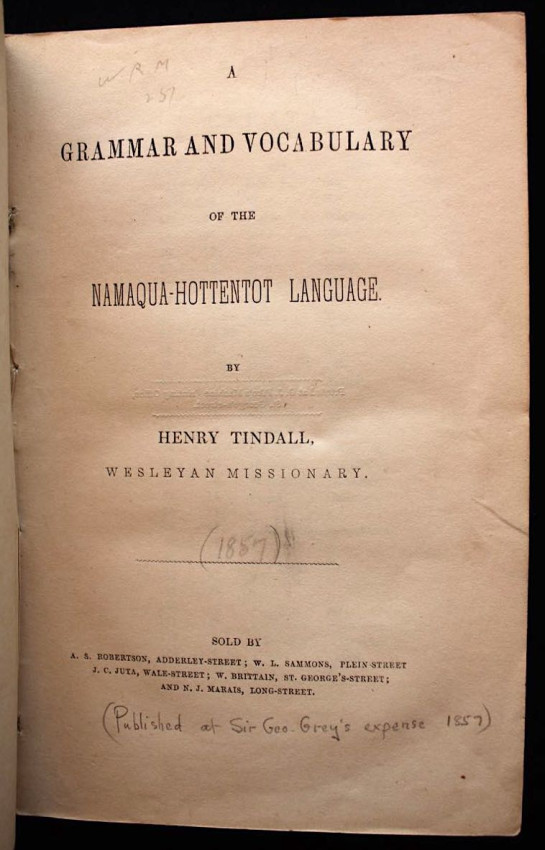
Light pencil initials "W. R. M." can be observed at the top left corner of the title page.
William Royden Morrison was a prominent South African antiquarian, book dealer, compiler, and the husband of Mollie N. Morrison who wrote the definitive book on Cape silver for her time.
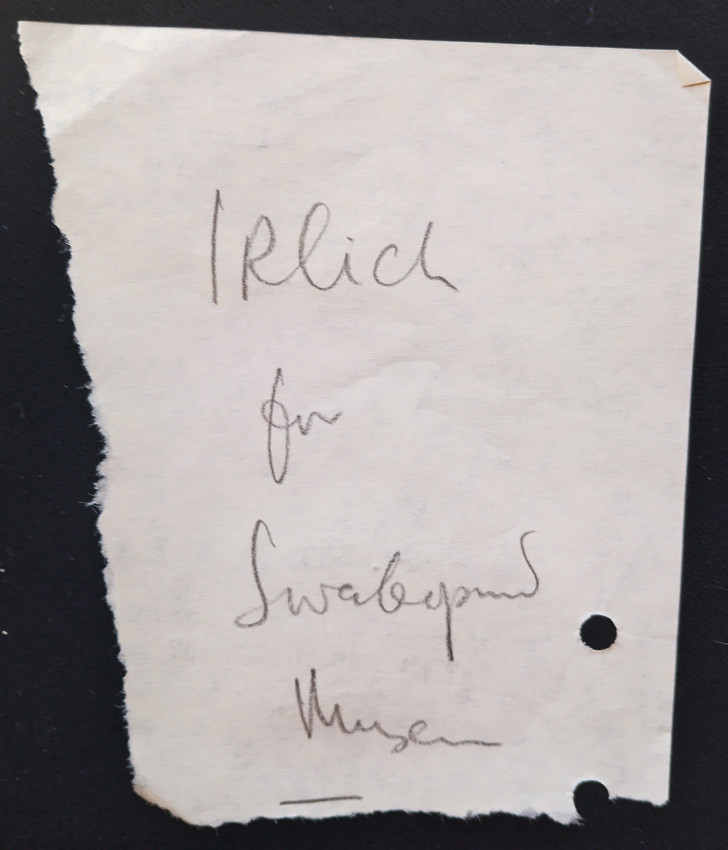
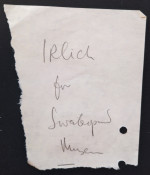
Another piece of paper, also present in this copy, contains the note:
"Irlich for Swakopmund museum"
Franz Irlich was a prominent Namibian teacher, archivist, and book collector who served as a core staff member at the Swakopmund Museum, Namibia.
One can conclude from these two notes that Morrison's copy was purchased by a dealer (Robin Fryde of Thorolds) who intended to rebind the copy, but never did so, and who saw Franz Irlich as a potential customer.
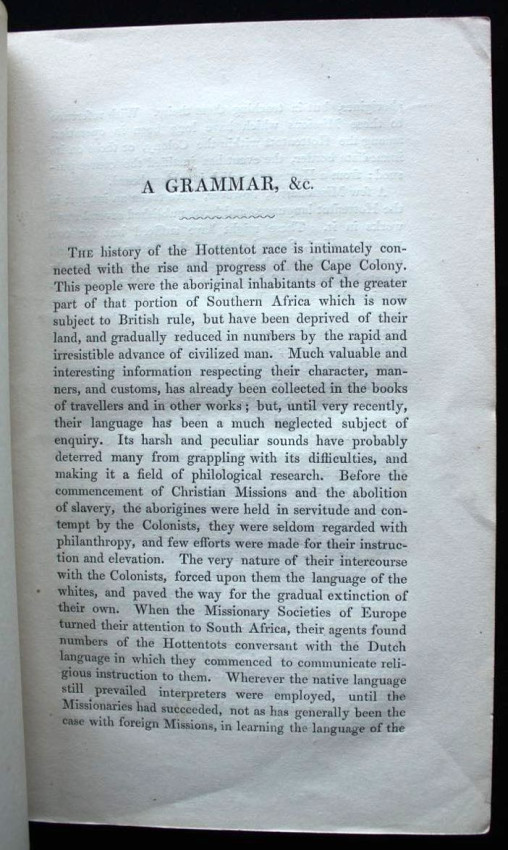
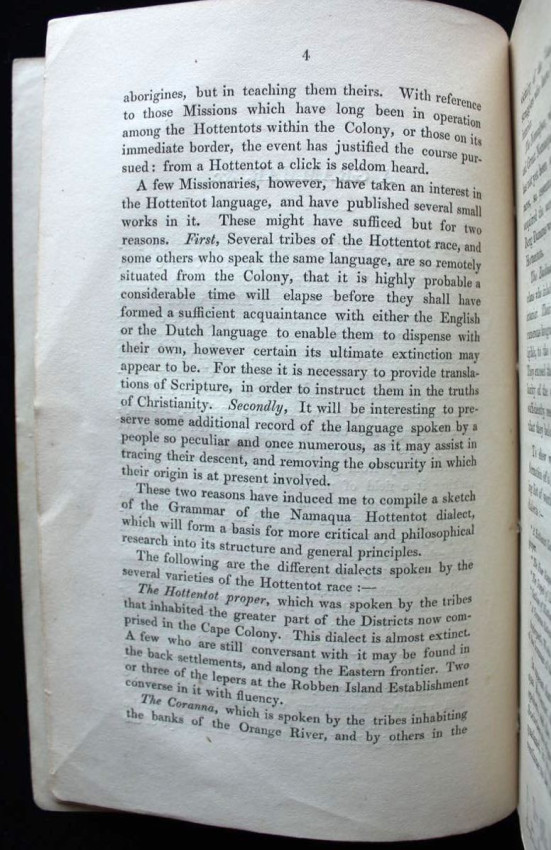
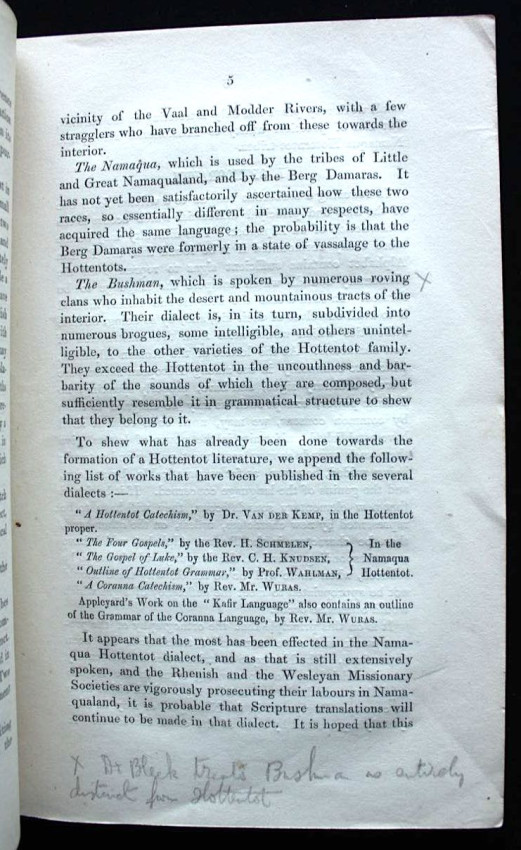
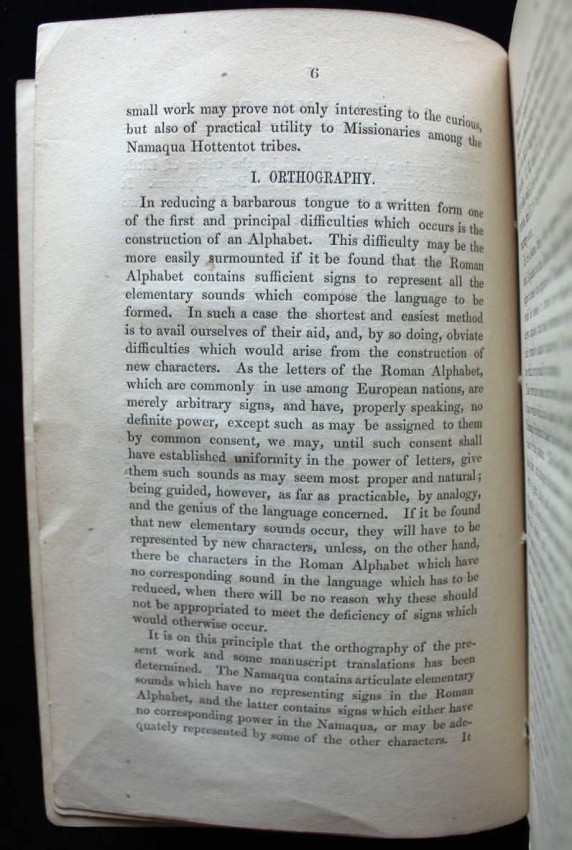
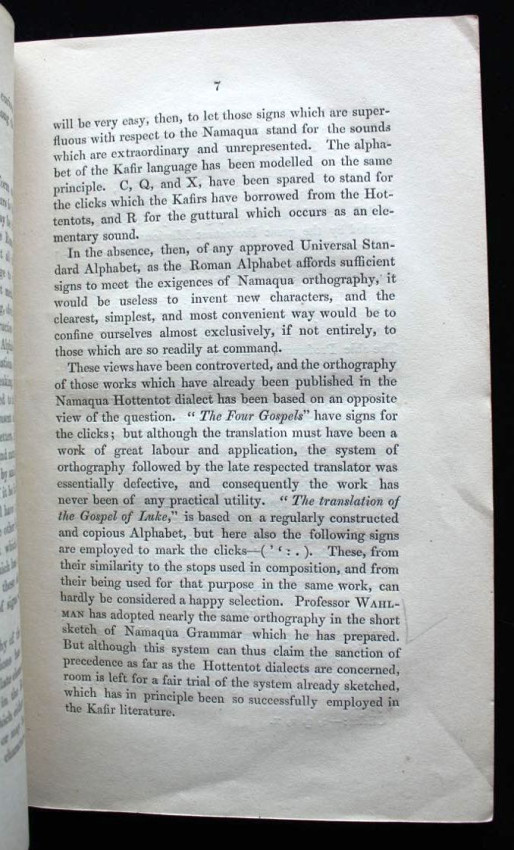
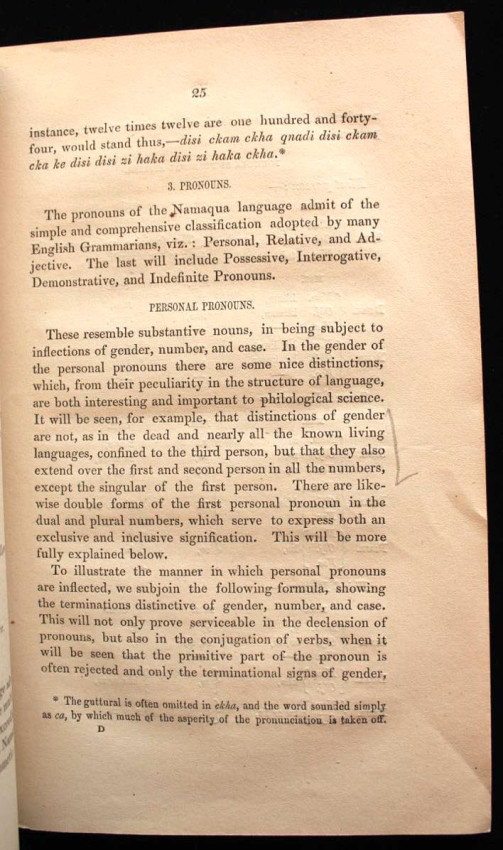
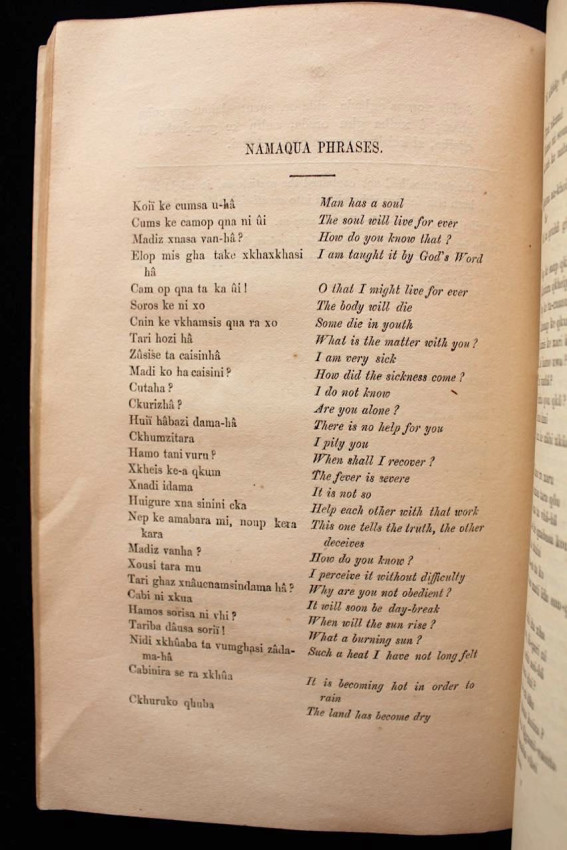
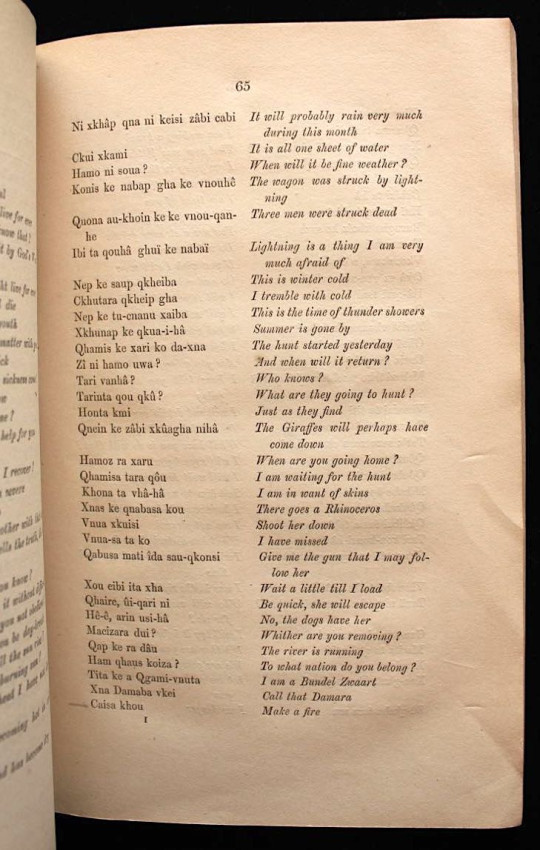
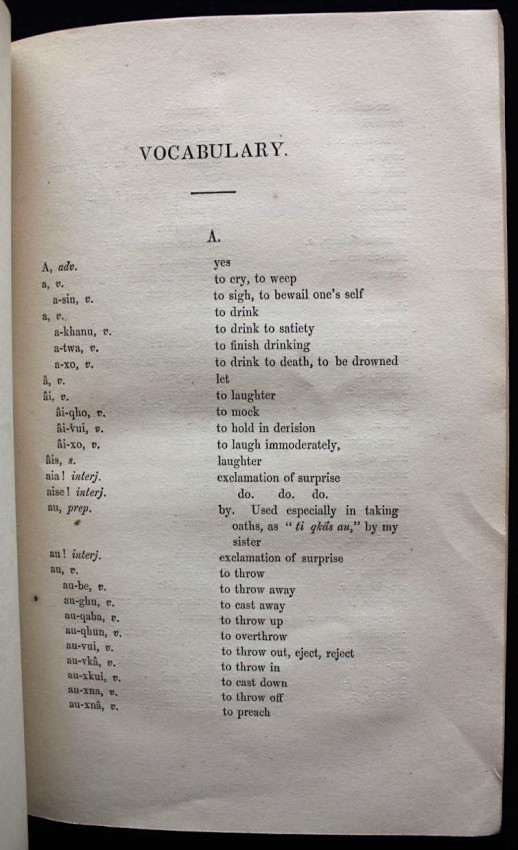
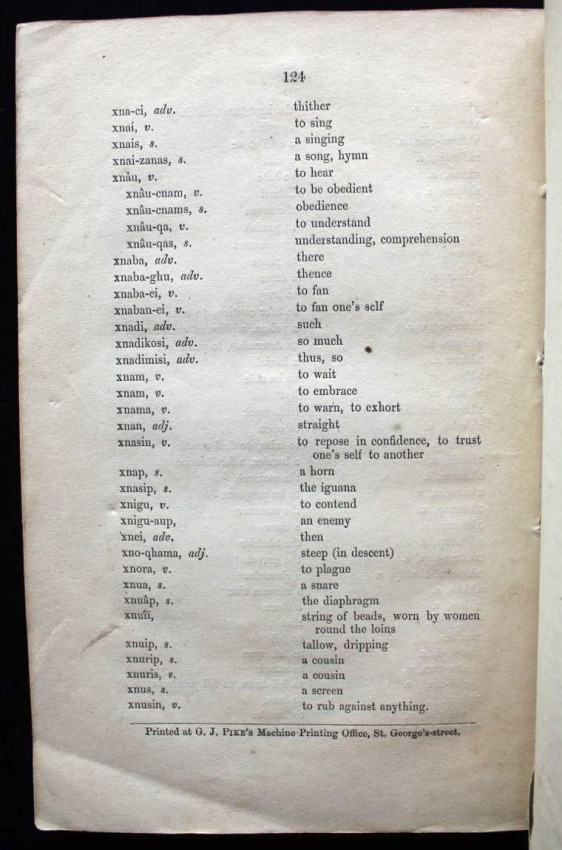
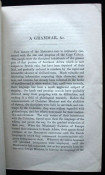
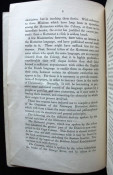
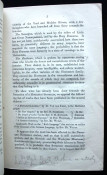
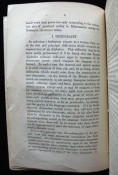
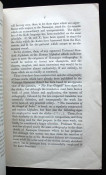
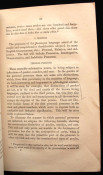
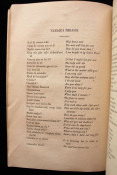
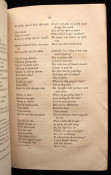
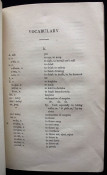
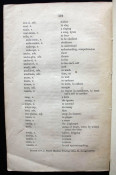
Henry Tindall’s 1857 book, A Grammar and Vocabulary of the Namaqua-Hottentot Language, is a pioneering early work on Koisan linguistics and ethnography. It provides a structural breakdown and grammatical sketch of the Namaqua (Khoikhoi) dialect, distinguishing it from other regional varieties such as Hottentot proper, Korana, and Bushmen dialects. It includes an extensive vocabulary list (Pages 69-124) and a collection of everyday Nama phrases. It features sample translations from the Bible (Scriptures) used as parsing lessons to help Christian missionaries instruct the local population. Written by Wesleyan missionary Henry Tindall - who lived and traveled among the Namaqua people in Great and Little Namaqualand - the book was compiled both to aid missionary work and to preserve a record of a distinctive indigenous language.
The publication of this work was financed by Sir George Grey, Governor of the Cape Colony during the 1850s. He was a passionate ethnologist and philologist who collected manuscripts, folk tales, and grammar records of indigenous South African languages. To preserve these languages, Grey financed the printing of several critical linguistic works out of his own pocket.
Tindall's work stood as the first systematic, dedicated book-length grammatical overview and vocabulary dictionary produced for the language.
- Binding Condition: Fair to Good
- Overall Condition: Good