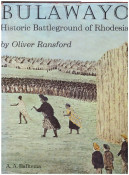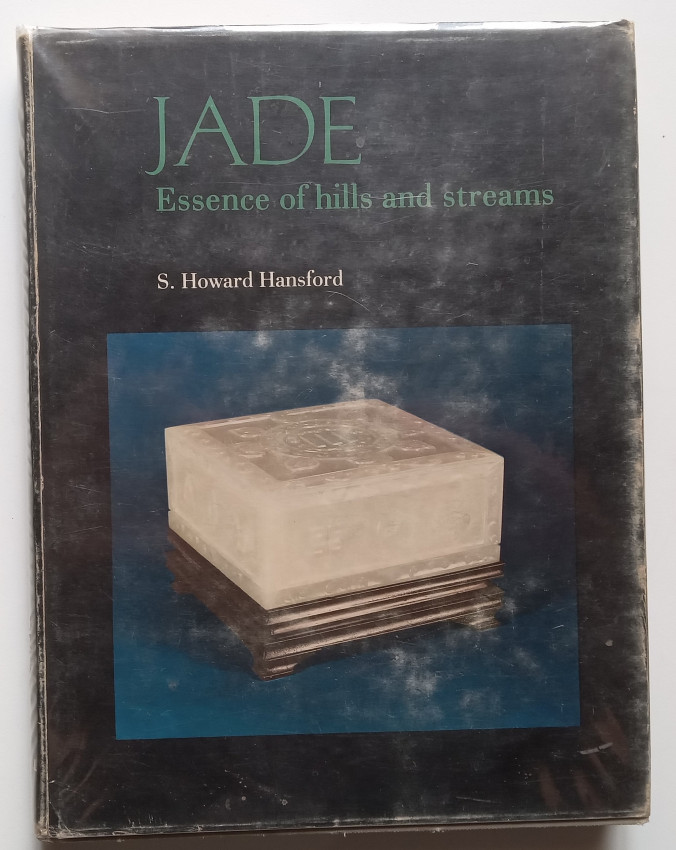
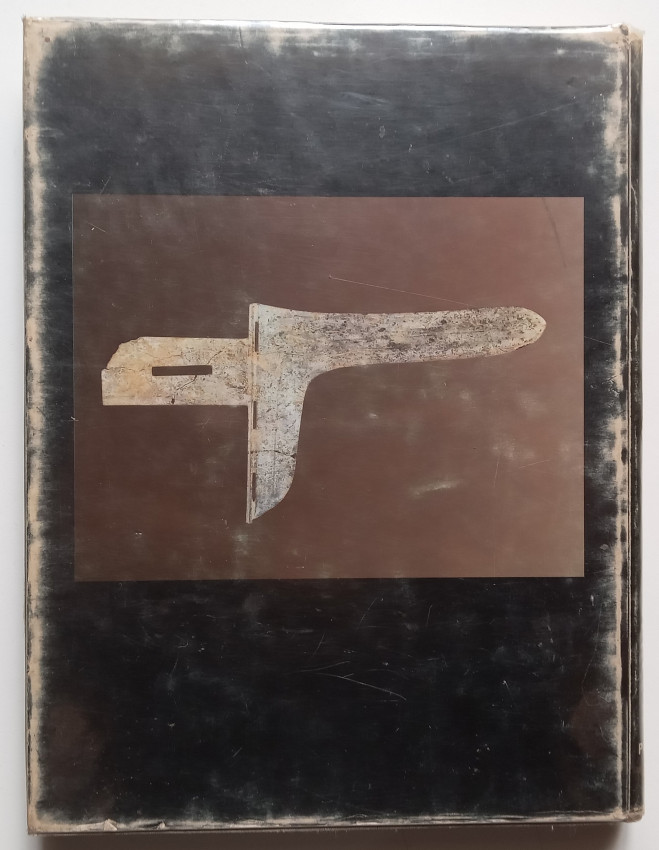
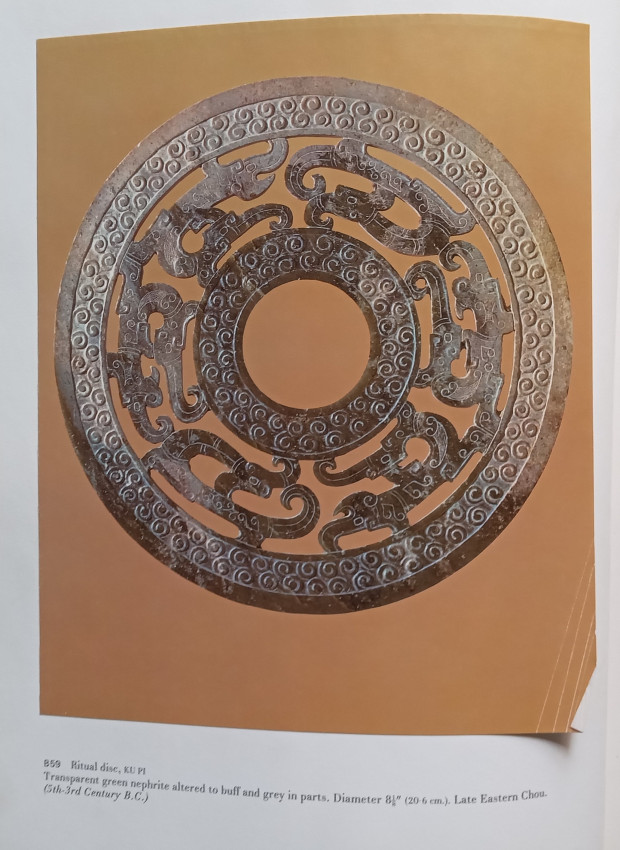
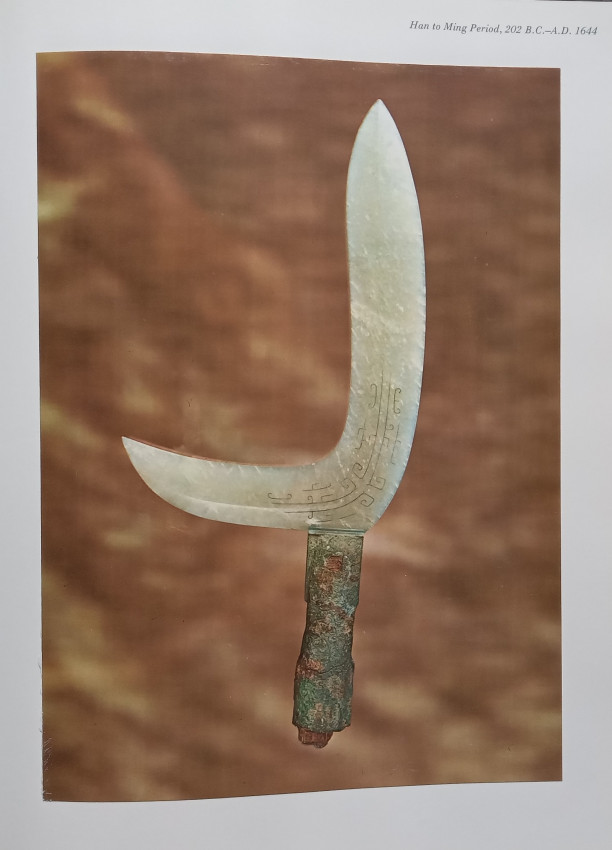
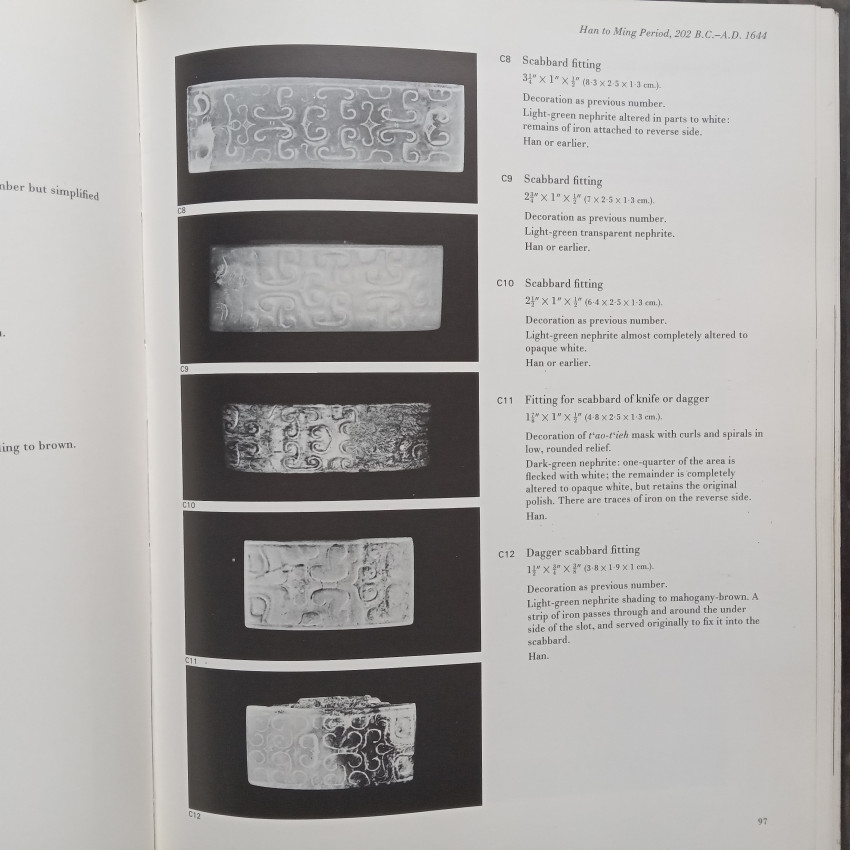
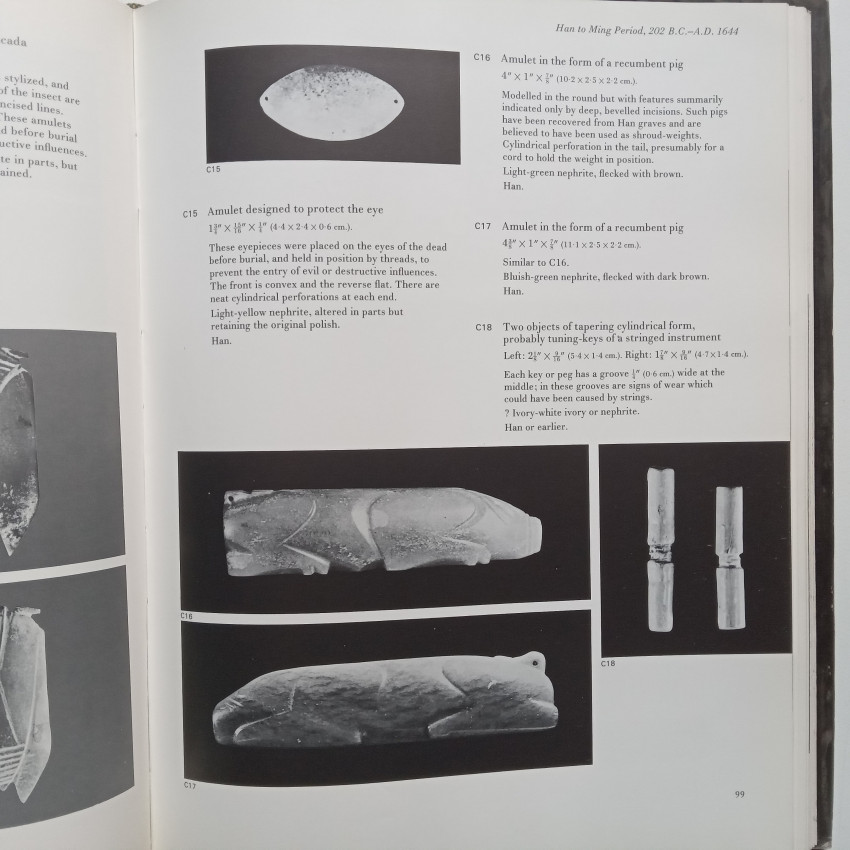
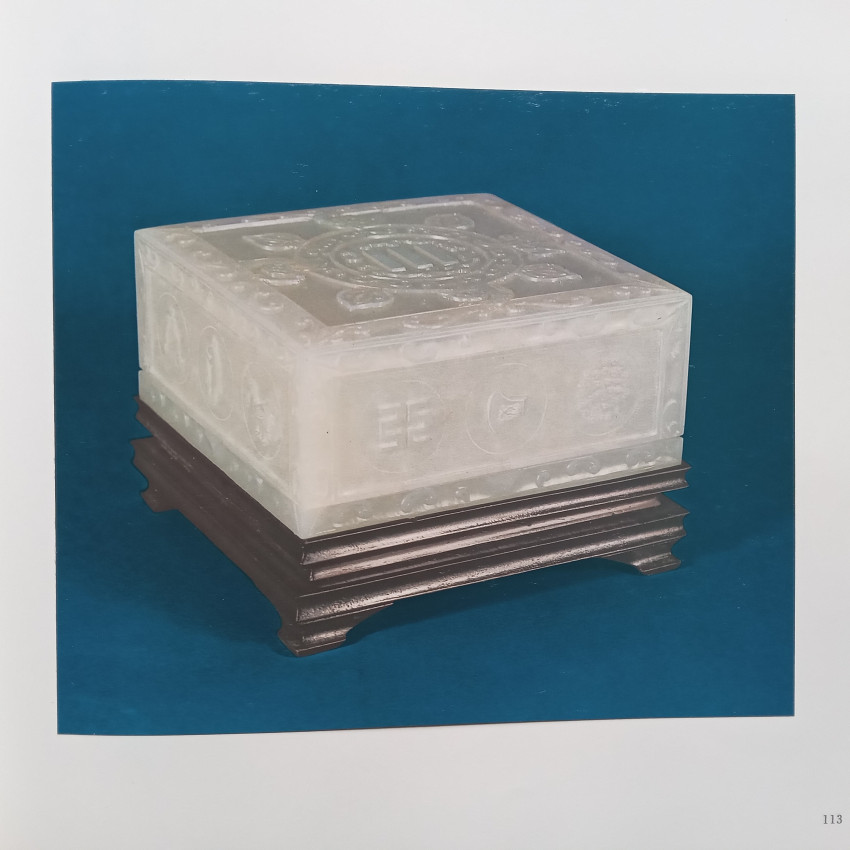
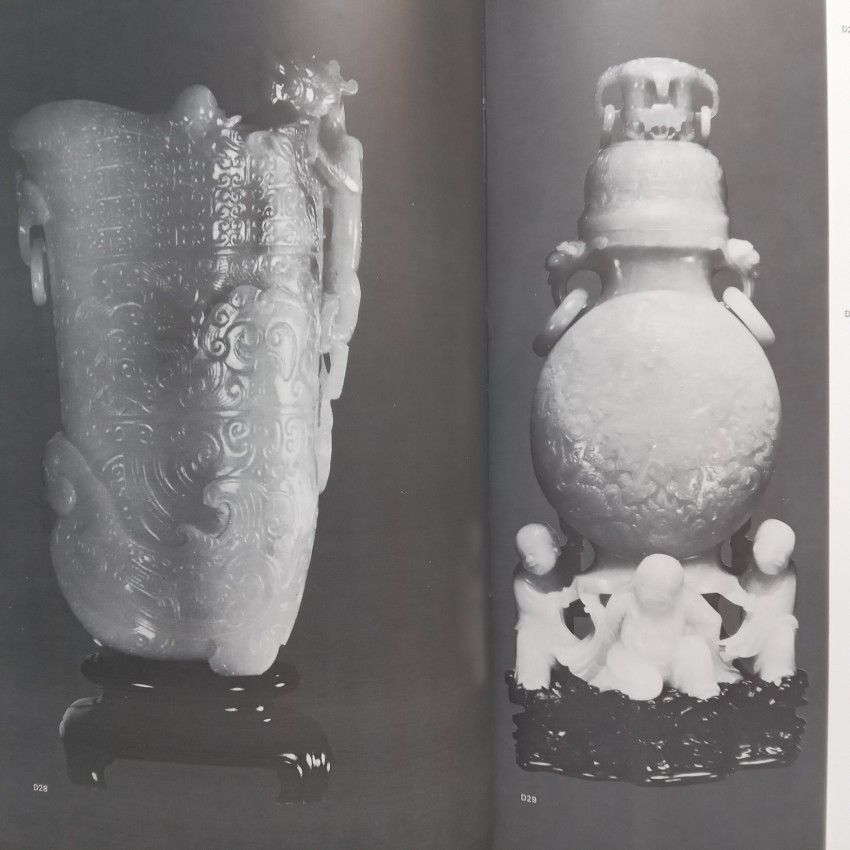
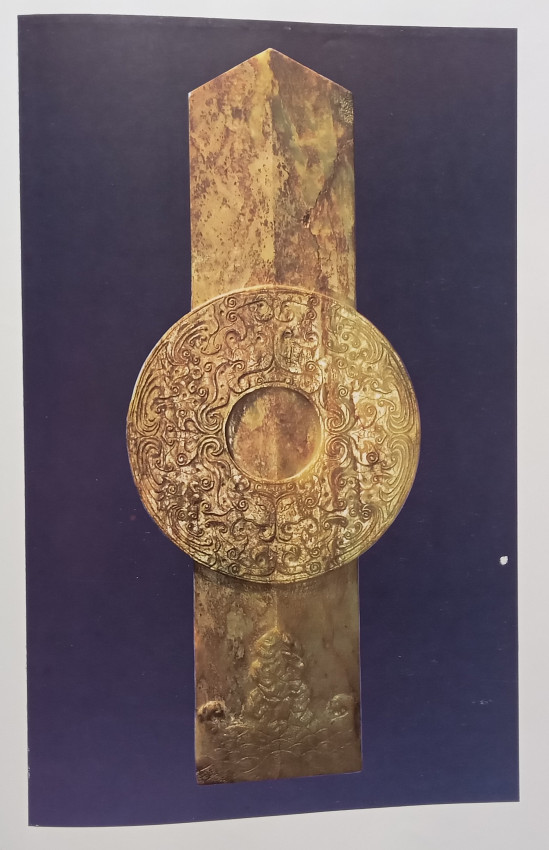
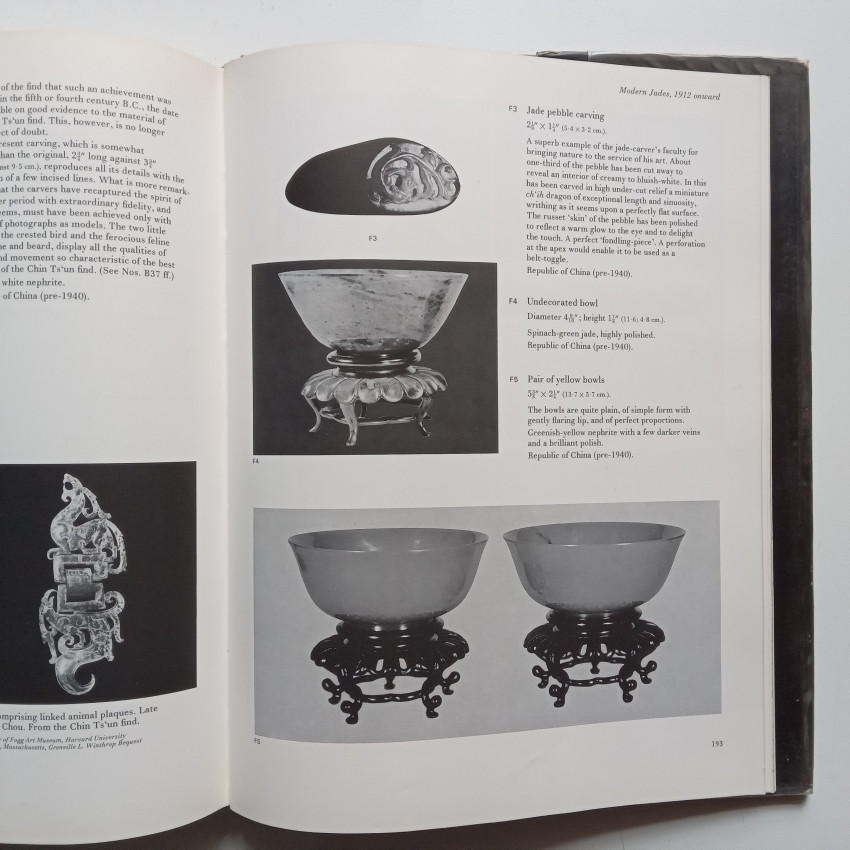
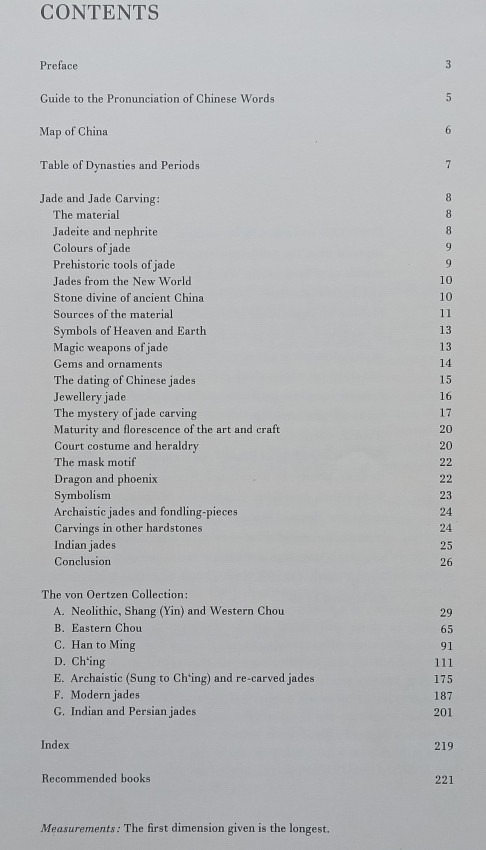
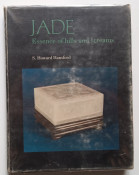
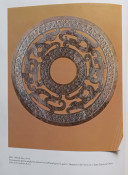
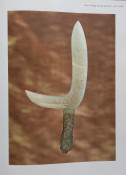
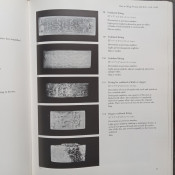
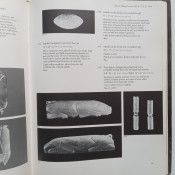
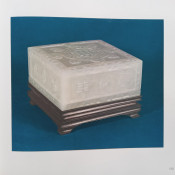
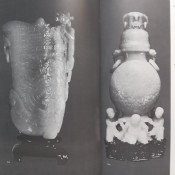
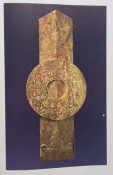
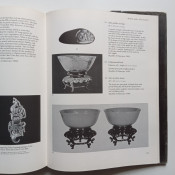
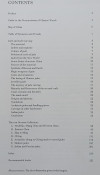
220pp. Hardcover binding with dust jacket, gilt lettering to spine and front board. Various fine monochrome and some full-colour plates, full-colour frontispiece. Condition: Overall very good. Jacket has some rubbing, small closed tears and spots of chipping. Jacket has been covered with protective plastic sleeve. Slight shelfwear to top and tail of spine, spots of slight edgewear to bottom edges of boards. Slight offsetting from flaps of jacket to endpapers, a couple of spots of slight staining to rear endpaper and pastedown. Small creases to bottom corner of frontispiece. Text and plates are clean. Well bound.
From https://en.wikipedia.org/wiki/Klaus_von_Oertzen: Klaus-Detlof von Oertzen (1894 –1991) was a German businessman and aristocrat. He was involved in the motor industry for most of his long life and is sometimes referred to as the “Father of Volkswagen of South Africa”. During 1932, four motor manufacturers of Saxony in Germany, namely Audi, DKW, Horch and Wanderer, amalgamated under the pressures of the depressed German economy to form Auto Union. The new company’s four-ringed emblem, which Oertzen suggested, can still be seen in the modern Audi logo. Oertzen became uneasy in pre-war Germany and in 1935 decided to relocate to South Africa. From 1936 he initiated the export of the DKW saloon car to South Africa and Australia and in 1937 he arranged for the Auto Union Grand Prix racing cars to be brought out to South Africa for promotional purposes. They competed in Cape Town and East London. In addition to South Africa and Australia, Oertzen also worked in Indonesia, where he and his wife, Irene, were interned in separate prison camps during the Second World War.
Size: 4to (28,7 x 22,4cm)
Cape Town: Purnell & Sons, 1969
- Overall Condition: Very Good
- Size: 4to